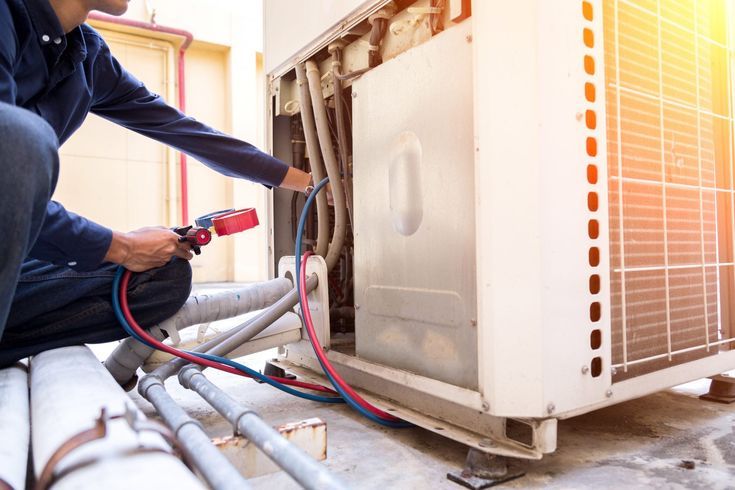
One of the most common sources of conflict in Dubai rental properties is not the rent — it is maintenance. A tenant calls about a broken AC. The landlord says it was working fine before move-in. The tenant says it was already failing. Nobody has a written record of either claim. The AC sits broken for two weeks while both parties argue about who should pay for the repair.
This scenario plays out across Dubai every single week. And it happens almost entirely because neither tenants nor landlords fully understand their legal obligations under UAE rental law.
This guide explains clearly — based on RERA regulations and standard Dubai rental practices in 2026 — who is responsible for what when it comes to home maintenance in Dubai, what happens in disputed cases, and how both parties can protect themselves.
What RERA Says About Maintenance in Dubai
The Real Estate Regulatory Authority (RERA), operating under the Dubai Land Department (DLD), sets the framework for all residential tenancy matters in Dubai. The primary legislation governing landlord and tenant relationships is Law No. 26 of 2007 and its amendment Law No. 33 of 2008, both regulating residential tenancies in Dubai.
Under these laws and standard RERA-compliant tenancy agreements, the general principle for maintenance responsibilities is as follows:
The landlord is responsible for maintaining the property in a condition that makes it fit for its intended purpose.
The tenant is responsible for not damaging the property and for minor day-to-day upkeep.
However — and this is where most disputes arise — the laws do not provide an exhaustive list of specific repairs. This means that in practice, what counts as a “major” repair (landlord’s responsibility) versus a “minor” repair (tenant’s responsibility) is interpreted differently by landlords, tenants, and in some cases, the Rent Disputes Settlement Centre.
What the Landlord Is Legally Responsible For in Dubai
The landlord’s obligation is to deliver and maintain a property that is structurally sound and functionally habitable throughout the tenancy. In practical terms, this means landlords in Dubai are generally responsible for:
Structural Issues
Any problem that affects the structure or integrity of the building itself falls to the landlord. This includes:
- Cracks in exterior walls or load-bearing interior walls
- Roof leaks and ceiling damage caused by water infiltration from above
- Foundation issues
- Damage to the building’s common elements (pipes running through walls, main electrical cables)
- Waterproofing failures on external facades and rooftops
If the ceiling is leaking because of a faulty waterproofing membrane on the roof — which is part of the building structure — the landlord pays. If it is leaking because the tenant drilled into a pipe, the tenant pays.
Major Appliance and System Failures (Not Caused by Tenant)
In most standard Dubai tenancy agreements, the landlord is responsible for repairing or replacing major built-in appliances and systems when they fail due to normal wear and age — not misuse. This includes:
AC units: If the AC compressor fails after years of use, or if the unit stops working due to a manufacturing fault or end-of-life failure, the landlord is responsible. This is one of the most contested areas in Dubai rental disputes, because AC failures are common and expensive.
Water heaters: Same principle — end-of-life failure or system fault = landlord’s cost.
Built-in kitchen appliances (if included in the unit): Ovens, hobs, and extractor fans that were present at the start of the tenancy and fail through normal use are generally the landlord’s responsibility to repair or replace.
Plumbing main lines: Blockages or failures in main drainage lines, water risers, and supply pipes within the walls are the landlord’s domain.
Electrical distribution board: Any fault in the main electrical panel, incoming supply cables, or meter connection is the landlord’s responsibility.
Pest Infestations at Move-In
If a tenant discovers a pest infestation — cockroaches, rats, or bedbugs — shortly after moving in, and can demonstrate that it predated their occupancy, the landlord is responsible for professional pest control treatment.
What the Tenant Is Responsible For in Dubai
The tenant’s maintenance obligation centres on two things: not causing damage, and handling minor day-to-day upkeep. In practice, tenants in Dubai are generally responsible for:
Minor Repairs and Consumables
These are repairs that arise from normal daily use of the property:
- Replacing light bulbs and fluorescent tubes
- Replacing fuse box fuses that blow due to normal use
- Replacing tap washers and seals on individual taps
- Fixing toilet seats, flush buttons, and minor toilet mechanisms
- Unclogging drains blocked by hair, soap, and food waste
- Replacing filters in split AC units (cleaning is tenant’s job; full servicing is debated)
- Replacing door handles, hinges, and locks that wear out through use
Damage Caused by the Tenant
Any damage caused by the tenant, their family members, guests, or pets is the tenant’s financial responsibility — regardless of how it was caused. This includes:
- Holes in walls from drilling without care
- Cracked tiles from dropped objects
- Broken windows
- Water damage caused by leaving taps running
- Mould caused by inadequate ventilation (leaving AC off for extended periods, not opening windows)
- Damaged flooring from furniture or improper cleaning
Keeping the Property Clean and Ventilated
Tenants are responsible for general cleanliness and for maintaining adequate ventilation. In Dubai’s humidity, failing to ventilate properly can cause mould and condensation damage — and if this is found to be the cause of wall or ceiling damage, it becomes the tenant’s liability.
AC Filters
This is an often-argued point: AC filter cleaning is universally accepted as the tenant’s responsibility during their occupancy. The landlord is responsible for servicing the AC system. The tenant is responsible for keeping filters clean between service visits. Blocked filters that cause the unit to fail may shift repair liability to the tenant.
The Grey Zone: Repairs That Are Genuinely Disputed in Dubai
Several categories of repair fall into disputed territory — and these are where the Rent Disputes Settlement Centre sees the most cases:
AC Servicing Frequency
The landlord is responsible for periodic AC servicing. But what counts as “periodic” is not defined in law. Most RERA-compliant tenancy agreements specify once or twice per year. If the tenancy agreement does not specify this, disputes arise when the tenant requests servicing and the landlord refuses.
Best practice: Ensure your tenancy agreement specifies that the landlord will arrange AC servicing at least once per year and that the cost is the landlord’s responsibility.
Pest Control During Tenancy
If pests appear partway through a tenancy — not at the start — it becomes contested. The landlord may argue the tenant’s habits attracted pests. The tenant may argue the building’s infrastructure allowed them in. Without evidence, these cases are difficult to resolve cleanly.
Painting and Repainting
Standard practice in Dubai is that the landlord paints the property before a new tenancy begins. If the tenant causes damage to the walls beyond normal wear and tear, they are responsible for those repairs. Debate arises around what constitutes “normal wear and tear” for a multi-year tenancy — small scuff marks are generally accepted; large holes and discoloured walls are not.
Swimming Pools in Villa Rentals
For villas rented with a private pool, maintenance responsibility is frequently disputed. Most RERA lawyers advise that the landlord is responsible for the pool structure and major equipment (pump, heater), while the tenant is responsible for the ongoing chemical treatment and cleaning during their occupancy. This should be written explicitly into the tenancy agreement.
What Happens When There Is a Maintenance Dispute in Dubai?
If a landlord and tenant cannot agree on who is responsible for a repair — or if one party is refusing to fulfil their obligation — the process in Dubai is as follows:
Step 1: Written Notice
The aggrieved party (usually the tenant) should send a written notice — by email, WhatsApp message (which is admissible), or formal letter — documenting the issue, requesting the responsible party to act, and giving a reasonable timeline (typically 7–15 days for non-emergency issues).
Step 2: Rent Disputes Settlement Centre (RDSC)
If the issue is unresolved after written notice, either party can file a complaint with the Rent Disputes Settlement Centre, operating under the Dubai Courts. The filing fee is 3.5% of the annual rent, with a minimum of AED 500 and a maximum of AED 20,000.
The RDSC takes evidence in the form of tenancy agreements, photos, written communication records, and professional assessments. Cases are typically heard within 30–60 days.
Step 3: Withholding Rent
Tenants sometimes ask whether they can legally withhold rent if a landlord refuses to make urgent repairs. The short answer is: withholding rent unilaterally is risky and legally complex in Dubai. A better route is to carry out the urgent repair yourself (with written notice to the landlord first) and deduct the reasonable cost from rent — but even this carries risk without proper legal advice.
Practical Tips for Landlords: Protect Yourself Before and During Tenancy
Conduct a detailed move-in inspection and document everything. A comprehensive photographic and written record of the property’s condition on the day of handover is your primary protection against false damage claims. Both parties should sign off on this document.
Specify maintenance responsibilities explicitly in your tenancy agreement. Do not rely on verbal agreements or assumptions. List who is responsible for AC servicing, pest control, pool maintenance, and any major appliance repairs.
Set up an annual maintenance contract. Landlords with AMC agreements are better protected: scheduled servicing is documented, and any new faults are identified early rather than after a tenant complaint.
Respond to maintenance requests in writing and within a reasonable time. Ignoring a tenant’s written maintenance request is the fastest route to an RDSC complaint. Even if you dispute the liability, acknowledge the request in writing and explain your position.
Use a licensed, documented maintenance company. When a landlord self-manages repairs using informal labour, there is no paper trail. Using a licensed company creates service reports that are admissible as evidence if disputes arise.
Practical Tips for Tenants: Know Your Rights and Protect Yourself
Read your tenancy agreement before you sign it. Many Dubai tenancy agreements include clauses that shift maintenance responsibility toward the tenant beyond what RERA’s baseline requires. You have the right to negotiate these clauses before signing.
Report maintenance issues in writing immediately. Do not call and forget. Send a WhatsApp message or email documenting the issue, the date, and your request for it to be fixed. This creates a timestamped record.
Do not carry out major repairs yourself without the landlord’s written agreement. If you repair something that is the landlord’s responsibility without prior written consent, recovering the cost becomes significantly harder.
Photograph damage that was pre-existing at move-in. On the day you collect the keys, take dated photographs of any existing damage — scuffs, cracks, stains, faulty taps, anything. Send copies to your landlord by email on the same day.
Understand what you are responsible for. Tenants who genuinely understand their minor repair obligations — and fulfil them — have far fewer disputes with landlords than those who treat every issue as the landlord’s problem.
How Total Home Fixing Helps Both Landlords and Tenants in Dubai
Maintenance disputes in Dubai almost always escalate because of two problems: delayed response and no documentation. Total Home Fixing addresses both.
For landlords managing rental properties across Dubai, we offer:
Annual Maintenance Contracts that cover scheduled AC servicing, plumbing inspections, and electrical checks — with written reports after every visit. This documentation protects you in any RDSC dispute and demonstrates you fulfilled your maintenance obligations.
Rapid emergency response for tenant-reported issues, with a target response time of two to four hours across all Dubai areas. When a tenant’s AC fails at 10pm in July, we arrive — you do not have to manage the emergency personally.
Move-in and move-out condition reports prepared by our team — a documented baseline that protects both landlord and tenant from future disagreements.
Transparent written quotes before any work begins, so both parties have a record of what was agreed and what it cost.
For tenants, we offer honest advice on whether a repair is one you are responsible for or one that falls to your landlord — and we are happy to provide this over a WhatsApp call at no charge.
Whether you are a landlord in Dubai Marina managing three apartments or a tenant in JVC dealing with a stubborn AC unit that your landlord is refusing to fix, our team can help you understand your rights, document the issue properly, and get the repair done fast.
- Call or WhatsApp: +971 52 688 4258
- totalhomefixing. ae/booking
- Salsbeel Building, Office 104, Al Muteena Street, Deira, Dubai
- Available Monday – Saturday, 8am – 8pm | Emergency line 24/7