One of the most common questions Dubai homeowners and landlords ask about painting is also one of the least honestly answered: how long should paint actually last here?
The answer you often get from contractors is vague — “3 to 5 years, depends on quality.” The reality is more specific than that, more variable than that, and far more connected to what is happening inside your walls than to the paint itself.
This guide gives you real figures, by surface type, location, and paint quality, alongside an honest explanation of what causes paint to fail faster than it should — and what the correct timelines and costs look like for Dubai homes in 2026.
Paint Lifespan in Dubai by Surface Type
Before going deep, here are the baseline figures that anyone living in Dubai should know:
| Surface | Good Quality Paint | Standard Quality Paint |
|---|---|---|
| Interior walls (non-wet areas) | 6–10 years | 3–5 years |
| Bathroom and kitchen walls | 3–5 years | 1–3 years |
| Bathroom and kitchen ceilings | 3–4 years | 1–2 years |
| Exterior walls (shaded aspect) | 5–8 years | 3–5 years |
| Exterior walls (south/west facing) | 3–5 years | 2–3 years |
| Villa boundary walls | 4–6 years | 2–4 years |
| Ceilings (non-wet areas) | 8–12 years | 5–8 years |
These figures assume: correct surface preparation, appropriate primer, two topcoats of UAE-climate-rated paint, and no underlying moisture problems. If any of those conditions are not met, timelines shorten significantly — sometimes to under 12 months.
Why Dubai’s Climate Ages Paint Faster Than Almost Anywhere Else
To understand paint lifespan in Dubai, you need to understand what Dubai does to painted surfaces that most other places in the world do not.
UV Radiation
Dubai sits at approximately 25° north latitude and receives close to 3,500 hours of sunshine per year. This is among the highest solar radiation loads in the world. Ultraviolet light is the primary cause of paint degradation — it breaks down the binders in paint films, causing chalking (a powdery surface residue), colour fade, and eventually cracking and peeling.
Exterior paints in Dubai fade visibly faster than their European or North American equivalents, even when using the same brand and formulation. This is why UAE-specific exterior paint formulations exist — products like Jotun Jotashield Extreme and Dulux Weathershield are formulated with higher UV inhibitor concentrations specifically for GCC climates.
Thermal Cycling
Dubai’s exterior surfaces face extreme daily temperature swings. A west-facing wall might be 60°C+ at 4pm and cool to below 30°C by early morning. This repeated expansion and contraction stresses the paint film continuously. On exterior walls — particularly masonry, concrete, and render — this thermal movement eventually causes the paint to crack, lose flexibility, and delaminate.
Humidity and Condensation
While Dubai is a desert city, it experiences significant humidity events — particularly in October, November, March, and April. More consistently, interior humidity in occupied Dubai apartments is affected by air conditioning, cooking, showering, and the simple presence of people.
When warm, humid air comes into contact with cool surfaces — walls adjacent to well-chilled rooms, bathroom ceilings, areas near AC units — condensation forms. Repeated condensation cycles saturate paint films from the inside, causing bubbling, mould growth, and eventually peeling. This is why bathroom paint fails faster than almost any other surface in a Dubai home.
Sand and Dust
Dubai’s regular sandstorms and general dusty atmosphere mean that exterior surfaces accumulate particulate matter that works into micro-cracks in paint films, expands them, and accelerates weathering. Sand particles are also mildly abrasive — on balconies and lower wall sections where wind-driven sand makes contact regularly, visible erosion of paint films can occur.
How to Know It’s Time to Repaint Your Dubai Home: The Warning Signs
Rather than strictly following a calendar, the most reliable signal for repainting is what your walls are showing you. Here are the specific warning signs to look for in Dubai homes:
Chalking
Run your hand across an exterior wall and look at your palm. If it comes away with a powdery, chalky residue — that is chalking, and it means the paint binder has broken down from UV exposure. Chalking is normal aging of exterior paint. It is not an emergency, but it is telling you the paint film no longer provides the protective function it was designed for. A repaint should be planned within 12–18 months.
Fading
All paint fades in Dubai. The question is how much. When a paint colour has faded so significantly that it looks obviously different from a new coat of the same colour, or when you notice dramatic differences between shaded and sun-exposed sections of the same wall, the UV protective capacity of the paint film has largely been spent. This is particularly common on south and west-facing exterior walls and on surfaces around windows that face the afternoon sun.
Cracking
Fine hairline cracks in exterior paint — called crazing or alligatoring when they form a networked pattern — indicate that the paint film has lost flexibility from thermal cycling. These cracks allow moisture to get behind the paint film during humidity events and are a precursor to peeling. At this stage, a simple touch-up will not help. The cracked areas need to be stripped back, the cracks filled, and the surface repainted with a flexible exterior system.
Bubbling and Blistering
Bubbles beneath paint — where the surface looks raised and puffy — are almost always caused by moisture trapped under the paint film. In Dubai, the most common sources are plumbing leaks in adjacent walls, blocked AC condensate drain lines overflowing, and waterproofing failure allowing external moisture to enter. Do not repaint over bubbles. The moisture source needs to be found and fixed first. See cause-by-cause guidance below.
Peeling
Active peeling — where paint lifts away from the surface — is the most advanced stage of paint failure. It can result from any of the causes above, or from poor adhesion at the time of original painting. If you are seeing peeling, the decision to repaint is overdue.
Mould and Dark Spotting
Black, grey, or greenish spotting on walls — particularly in bathrooms, near windows, or on north-facing walls that receive little sun — is biological growth. Mould does not simply indicate it is time to repaint. It indicates there is sufficient moisture to support biological growth, which means a moisture problem needs addressing before any painting work begins.
What Cuts Paint Life Short in Dubai: The Underlying Causes
The biggest single predictor of whether your Dubai home’s paint lasts 2 years or 8 years is not the brand of paint. It is whether there is any moisture getting behind it.
Plumbing Issues
Slow leaks from supply pipes, drainage pipes, or flexible hose connections behind walls are extremely common in Dubai’s aging building stock. The water from a slow leak migrates through render and gypsum plaster, creating a persistent moisture source that degrades paint from behind regardless of what is applied on top.
If you have a wall where paint repeatedly fails in roughly the same location within months of repainting, a plumbing inspection should happen before the next coat goes on. A licensed plumber can pressure-test supply lines and inspect drainage routes to identify the source.
AC System Issues
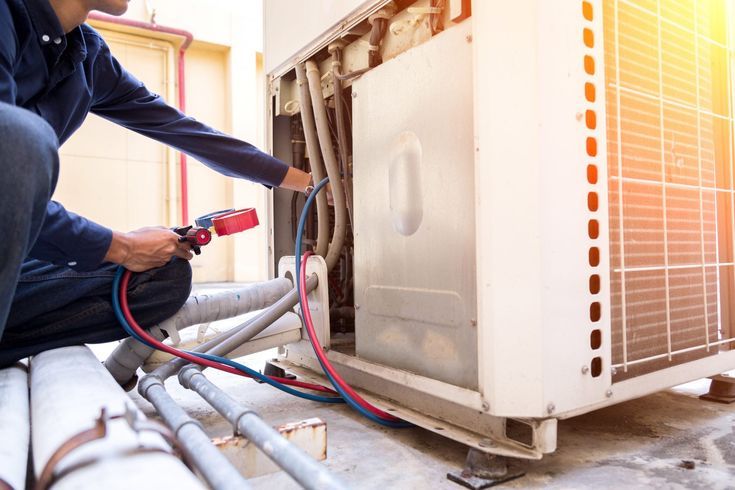
Dubai’s air conditioning systems are the most heavily used in the world. All split AC units produce water as a by-product of the cooling process — this water is removed through a condensate drain line that runs to a drainage point. When this line blocks up (from algae, debris, or slope issues), water overflows and saturates the wall or ceiling around the unit.
AC-related paint failure is one of the most common causes of paint peeling in Dubai apartments. The telltale sign is paint failure directly around or below an indoor AC unit, often with visible water staining. The fix is an AC maintenance visit to clear the condensate line — not a new coat of paint.
Lack of Pre-Paint Wall Repair
Paint does not bridge structural problems. Cracks in render, loose plaster, water-damaged gypsum board, and poorly bonded existing coats all cause new paint to fail faster. Any wall surface showing these issues needs to be properly repaired — not painted over.
A maintenance visit before painting, to identify and fix wall repairs needed before the painter arrives, consistently produces longer-lasting paint results. This is why combining painting with a broader home maintenance inspection makes practical and financial sense.
Paint Costs in Dubai 2026: What a Realistic Repaint Budget Looks Like
One of the most searched questions related to painting in Dubai is how much it costs. Here are realistic figures for 2026 — not the cheapest quotes you will find, but quotes that reflect proper preparation and quality materials:
Interior Painting (Apartments)
Studio apartment (35–45 sqm): AED 1,200 – AED 2,200 Includes: walls and ceiling. Preparation included. Standard emulsion finish.
1-bedroom apartment (55–75 sqm): AED 1,800 – AED 3,200 Includes: all rooms, walls, ceilings, one coat primer on damaged areas, two topcoats.
2-bedroom apartment (85–120 sqm): AED 2,800 – AED 5,000 Includes: full apartment, proper surface preparation, standard emulsion throughout.
3-bedroom apartment or townhouse (130–180 sqm): AED 4,000 – AED 7,500
Villa Painting (Interior)
3-bedroom villa interior: AED 6,000 – AED 12,000 4–5 bedroom villa interior: AED 10,000 – AED 18,000 Includes: full interior, stairs, ceilings, built-in furniture painting optional.
Exterior Painting (Villas)
Exterior painting in Dubai requires specialist scaffolding, UV-rated paint systems, and proper surface preparation. Budget:
Small to medium villa exterior: AED 8,000 – AED 20,000 Large villa with boundary walls: AED 18,000 – AED 45,000+
Exterior quotes vary most significantly by scaffold requirements, wall condition, and paint product selected.
What Increases the Cost
The following add to any painting quote in Dubai:
- Wall crack repairs: AED 50–200 per crack, depending on length and depth
- Skim coat (full wall re-skim): AED 25–50 per sqm
- Mould treatment before painting: AED 200–600 depending on area
- Waterproofing membrane (bathrooms): AED 800–2,500 per bathroom
- Premium paint upgrade (Jotun, Dulux Weathershield): 20–40% above standard
What to Be Cautious About
Very low quotes — AED 700 for a one-bedroom full interior, for example — almost always mean no surface preparation, cheap unbranded paint, and no primer. Paint applied this way in Dubai may start failing within six months. The false economy of cheap painting is one of the most common maintenance frustrations among Dubai property owners.
How Often Should You Paint Different Spaces in Your Dubai Home?
Based on realistic timelines for Dubai conditions and standard-to-good quality paint:
Living room and bedroom walls: Repaint every 7–10 years, or when fading, scuffing, or damage makes it necessary.
Kitchen walls: Repaint every 4–6 years. Use a washable matt or eggshell finish to extend life between full repaints.
Bathroom walls and ceilings: Repaint every 3–5 years using moisture-resistant paint. At every repaint, check and re-seal grouting and caulking around fittings — gaps here are a major source of moisture ingress.
Ceilings (non-wet areas): Repaint every 8–12 years or when yellowing, water staining, or spider web cracks appear.
Exterior walls: Repaint every 4–7 years depending on aspect. South and west facing walls in Dubai need earlier attention than north-facing ones.
Balconies: Reapply floor sealant or deck paint every 2–4 years. Balcony floor waterproofing should be checked every 3 years.
Frequently Asked Questions: How Long Does Paint Last in Dubai?
Q: How long does Jotun paint last in Dubai?
Jotun produces several paint lines, and lifespan varies by product. Jotun Essence (interior standard) lasts 5–8 years in non-wet areas with good surface preparation. Jotun Jotashield Extreme (exterior) is rated for 10 years in GCC conditions under ideal circumstances — real-world performance on Dubai south-facing walls is typically 5–7 years. Premium Jotun lines with extra UV inhibitors perform better on highly exposed aspects.
Q: Does paint last longer in air-conditioned rooms in Dubai?
Interior rooms that are consistently air-conditioned actually face less temperature cycling stress on their walls than unoccupied rooms, which can overheat in summer. However, heavily air-conditioned rooms can create condensation issues near the perimeter walls, particularly if insulation is insufficient. On balance, consistently occupied and air-conditioned rooms in Dubai tend to see interior paint last toward the longer end of the typical range.
Q: What is the best paint for bathrooms in Dubai?
For Dubai bathrooms, you need a paint specifically formulated with anti-mould agents and moisture resistance. Dulux Bathrooms and Kitchens, Jotun Majestic Shield, and Sigma Satin are commonly used products in the Dubai market. These should be applied over a specialist damp-seal or mould-block primer for best results. Standard emulsion in a Dubai bathroom will typically fail within 1–2 years.
Q: How long after fixing a water leak should I wait before repainting?
After fixing a plumbing leak behind a wall, the wall needs to dry fully before repainting. In Dubai’s climate, a moderately saturated gypsum wall typically requires 3–6 weeks of drying with good ventilation. Severely saturated walls may need longer. A moisture meter — which any professional painter or maintenance company should have — can confirm when the wall is dry enough to paint. Painting over a damp wall is one of the most common causes of paint failure in Dubai apartments.
Q: Can painting help with noise between apartments in Dubai?
No. Standard paint has no meaningful acoustic benefit. If noise between apartments is an issue, this is typically a wall construction or structural issue — adding additional drywall layers or acoustic insulation are the appropriate solutions, not painting.
Q: Should I repaint before or after doing other renovation work?
Always repaint last — or at least after any work that involves drilling, tiling, electrical work, or plumbing changes. Renovation work of any kind creates dust, impacts, and the potential for wall damage. Painting first means repainting damaged sections after renovation anyway. If you are planning a broader home renovation in Dubai that includes tiling, carpentry, or electrical upgrades alongside painting, coordinate the sequence so painting is the final stage.
Getting Your Dubai Home Repainted: The Right Way to Start
The most common mistake Dubai property owners make when planning a repaint is calling a painter first. The better sequence is:
Step 1: Assess the walls. Before any painting begins, identify any cracks, damp patches, bubbling, or peeling. Understand whether these require maintenance work — plumbing, AC, waterproofing — before painting proceeds.
Step 2: Fix underlying issues. Any moisture source, structural crack, or damaged plaster needs to be addressed before paint is applied. This protects your investment in the repaint.
Step 3: Prepare the surface correctly. This means removing all failing paint, filling cracks and holes, skimming rough surfaces, and applying a correct primer. Surface preparation is the biggest determinant of how long your repaint will last.
Step 4: Apply the right products. For Dubai conditions, use UAE-rated formulations. Do not use standard European or American products if Dubai-specific alternatives are available from the same brand.
Step 5: Two full coats minimum. One coat never produces the coverage, colour depth, or protection of two properly applied coats. A painter offering one coat at a low price is not offering good value.
Total Home Fixing handles the full sequence — from assessing whether plumbing or AC issues need resolving first, to surface preparation, to a professional painting finish that lasts. We use quality-grade paints appropriate for Dubai’s climate and provide a written quote before starting any work.
📞 Call or WhatsApp: +971 52 688 4258
🌐 totalhomefixing.ae/booking
📍 Salsbeel Building, Office 104, Al Muteena Street, Deira, Dubai
🕐 Monday – Saturday, 8am – 8pm | Emergency line 24/7